Planet
Our Planet pillar focuses on understanding and managing our environmental impact. We prioritize:
- • Reducing GHG emissions
- • Strengthening value chain sustainability
- • Improving the environmental performance of our technology
Table of Contents
Environmental sustainability
Our approach focuses on reducing emissions across our operations and value chain through 100% renewable electricity sourcing for our global operations, responsible supply chain engagement, and business travel emissions reduction. We also work to better understand and manage the environmental impacts of our digital infrastructure and emerging technologies. We’re committed to continuing to measure, manage, and evolve our climate strategy in the future to best meet the needs of our stakeholders and deliver meaningful impact.
Our Environmental Sustainability Policy outlines how we strive to reduce our GHG emissions and the environmental impact of both our operations and value chain.

Addressing climate change
We recognize climate action requires meaningful progress in this decade. Our climate strategy focuses on making a meaningful near-term impact by reducing GHG emissions in line with climate science. We also support carbon dioxide removal (CDR) projects that help advance emerging solutions and remove carbon from the atmosphere. Dayforce has three active climate targets that have been validated by the Science Based Targets initiative (SBTi):
- Reduce absolute Scope 1 and 2 emissions by 98% by 2029 from a 2019 baseline.
- Reduce Scope 3 emissions intensity per gross profit from purchased goods and services, business travel, and employee commuting by roughly 52% by 2029 from a 2019 baseline.
- Annually source 100% renewable electricity across our entire global operations.
Dayforce is on track to meet our SBTi-validated climate targets. As of 2025, Dayforce has reduced absolute Scope 1 and 2 emissions by 98%, relevant Scope 3 emissions intensity by 63.6%, and annually maintained 100% renewable electricity since 2022.
Our approach to meeting both our Scope 1 and 2 target and our renewable electricity commitment includes managing and monitoring our directions operations footprint and continuing to source 100% renewable electricity for our global operations annually. Since 2019, we have reduced our electricity usage by our offices and colocation data centers by 89%.
In 2025, our combined Scope 1 and 2 GHG emissions were less than one percent of our total footprint. Our offices account for most of our Scope 1 and 2 emissions and electricity usage. Our offices and colocation data centers used 3,222 MWh of electricity in 2025.
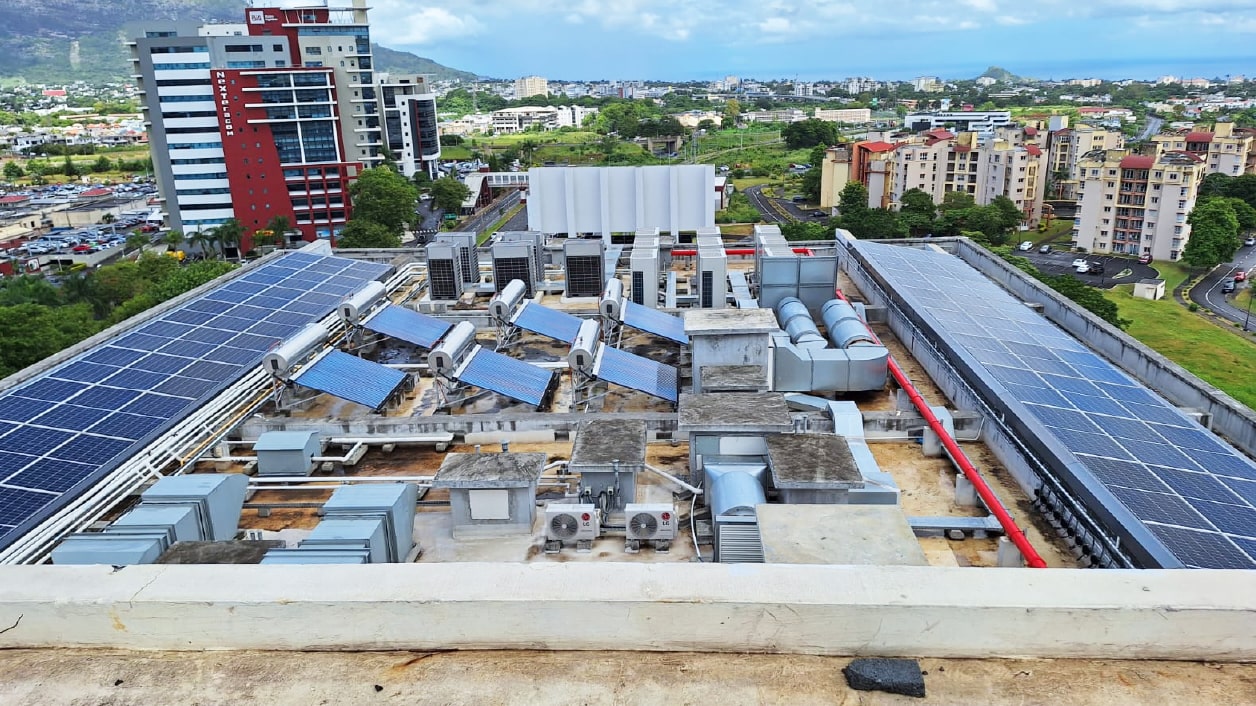
Since 2022, we have sourced 100% renewable electricity for our global operations on an annual basis through utility renewable energy tariffs and high-quality Energy Attribute Certificates (EACs).5 With our low and geographically distributed electricity usage, we are constrained with the available options to procure renewable energy as many options require larger electricity loads within regions. In 2025, we expanded our renewable energy strategy for North America with a fixed-price virtual power purchase agreement (VPPA) with Watershed, through which we're helping bring new clean energy projects to the grid.
We have a strong plan to meet our near-term Scope 3 emissions target. This includes advancing our decarbonization strategy through the implementation of programs that address our two largest climate impact areas: our supply chain and business travel.
Responsible Sourcing Initiative (RSI)
Our Responsible Sourcing Initiative (RSI) seeks to make our supply chain more resilient, efficient, and sustainable. The overall goal of RSI is to work with current vendors and select new ones that safeguard labor and human rights in their operations and supply chain, as well as reduce GHG emissions and improve their environmental impacts.
RSI principles are incorporated into our internal Global Sourcing and Procurement Policy and Vendor Code of Conduct, which is embedded into vendor contracts. Vendor managers receive training on RSI priorities, and we provide suppliers with resources and guidance to support continuous improvement.
Purchased goods and services remains Dayforce’s largest GHG emissions category. We collect key data annually for current and new vendors to evaluate their performance across RSI priorities. We assess and monitor the proportion of our annual procurement spend that aligns with our RSI priorities, including vendors who disclose their GHG emissions, have GHG emissions targets, and have human rights and non-discrimination policies.While our absolute GHG emissions from purchased goods and services grew in 2025 due to increased vendor spend, we have reduced the GHG emissions per dollar spent by 20% from 2024.

Business travel
We have made significant investments in technology to enable employees to work together effectively, limit long-distance travel, and reduce unnecessary expenses. When travel is warranted, our business travel booking system empowers employees to choose more sustainable alternatives by showing the GHG emissions associated with travel options during the selection process. Our travel policy requires Daymakers to make cost-effective and sustainable choices whenever possible.
We charge an internal carbon price of $50 per ton of business travel emissions, with proceeds funding carbon removal projects. This fee is designed to help meet our Scope 3 emissions reduction target, educate employees about their travel choices, and invest in climate solutions.
Digital infrastructure
As a software company, cloud infrastructure and digital technologies are important components of our operations and product delivery. We are working to better understand and manage the environmental impacts associated with our cloud operations, AI technologies, product lifecycle, and hardware assets while continuing to support innovation, security, reliability, and performance for our customers.
Cloud and IT Operations:
Since 2019, we have reduced our already limited use of on-premises servers. This coincides with a planned consolidation of our colocation data centers and our ongoing partnership with low-carbon providers for both our product and non-product cloud service needs. We continue to improve visibility into the environmental impacts associated with the systems that support the Dayforce platform.
Product Environmental Assessment:
We completed our first product environmental assessment to better understand the GHG emissions and electricity associated with delivering the Dayforce platform for our customers. The assessment evaluated impacts across cloud hosting and infrastructure, data transmission, and end-user device usage. The Dayforce platform emissions from all three areas combined are less than 2% of our company's emissions across our operations and value chain. We plan to provide more detailed information on the results of the assessment to inform our customers' understanding of the impact of their and their employees' usage of the Dayforce platform.
AI Sustainability:
As AI becomes increasingly embedded in the Dayforce platform and the way we work, we are committed to developing and deploying it responsibly and sustainably. Our AI Ethics Principles and Environmental Sustainability Policy recognize the importance of considering environmental impacts in responsible innovation.
Building on insights from our product environmental assessment, we are developing our approach to AI sustainability across our products and operations — evaluating ways to improve the efficiency of AI-enabled capabilities, engaging technology providers on sustainability considerations, and equipping employees to use AI tools responsibly and efficiently.
As AI adoption evolves, we’ll continue advancing our understanding of its environmental impacts and incorporating sustainability into our broader AI governance, product development, and operational decision-making processes.
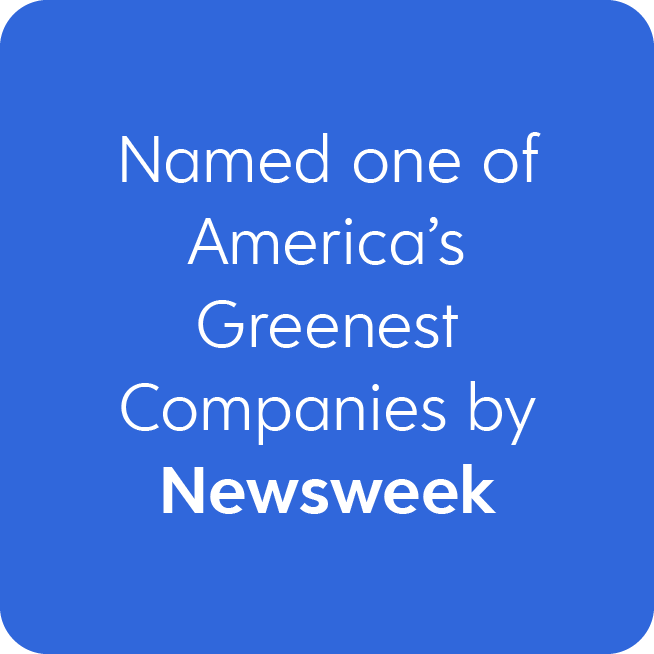
Awards and Recognition
Climate leadership
Featured Report
2025 Dayforce Sustainability Report